Ludovica: A Handwritten Font for Web Design
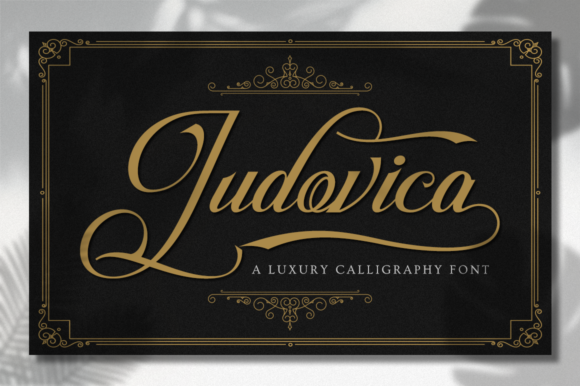
Ludovica is a beautiful handwritten font that brings a charming and personal touch to digital design. As a web designer, I often look for fonts that balance personality with readability, and Ludovica delivers on both fronts. Its fluid strokes and natural flow make it ideal for creative projects where a human touch matters.
Designed as part of the Script Amp collection, Ludovica offers a unique blend of elegance and approachability. The font is PUA encoded, which means you can access all the glyphs and swashes without hassle. This makes it easy to customize and use in a variety of digital formats, from website headers to social media graphics.
Using Ludovica in Web Design
When working on a website, the right font can significantly impact the overall user experience. Ludovica excels in headings, hero sections, and call-to-action buttons where a strong visual presence is needed. Its soft curves and organic shapes add warmth to otherwise clean layouts, making it perfect for branding that feels authentic and inviting.
For example, on a creative portfolio site, Ludovica can be used as a headline to draw attention to a project or service. On a boutique online store, it adds a personal flair to banners and product titles, helping to differentiate the brand from competitors. In coaching or SaaS landing pages, it can be used to highlight key benefits or testimonials, creating a more engaging reading experience.
Readability and Visual Hierarchy
While Ludovica is a display font, it maintains a level of legibility that works well in certain contexts. For short phrases and headlines, it’s an excellent choice. However, it’s not recommended for body text due to its intricate details, which can become difficult to read at smaller sizes or on mobile screens.
To ensure readability, pair Ludovica with a clean sans serif font for body copy. This contrast helps guide the user’s eye through the page, reinforcing visual hierarchy. On mobile devices, keep the font size large enough to maintain clarity, and avoid using it on dark backgrounds or image overlays where it might get lost.
Brand Tone and User Engagement
The personality of a font plays a big role in shaping a brand’s tone. Ludovica has a friendly, artistic vibe that works well for brands targeting creative or lifestyle audiences. It can convey a sense of craftsmanship, making it a great fit for handmade products, artisanal services, or educational platforms.
When used consistently across a website, Ludovica helps reinforce brand identity. It creates a cohesive look that users recognize and trust. Whether it’s a blog header, a course sales page, or a digital brand kit, the font adds a layer of authenticity that other typefaces may lack.
Practical Use Cases
Consider using Ludovica for a creative portfolio site where the goal is to showcase individual style. Its expressive nature complements visual work, making the content feel more dynamic. For a coaching website, it can be used in section headings to emphasize key points, adding a sense of authority and warmth.
In an online store, Ludovica can be used for promotional banners or product titles, drawing attention without overwhelming the design. On a blog, it can serve as a header font, giving each post a distinct and memorable look. For a digital ad campaign, it adds a personal touch that resonates with audiences looking for something more than generic design.
Font Pairing and Design Balance
Pairing Ludovica with other fonts is key to achieving a balanced design. A simple sans serif like Roboto or Open Sans can provide contrast and clarity, while a serif font like Playfair Display can add a more editorial feel. The goal is to let Ludovica shine in areas where it adds value, without overpowering the rest of the layout.
When selecting a font pairing, consider the overall mood of the design. For a modern, minimalist site, a clean sans serif works best. For a more traditional or elegant brand, a serif font may be a better match. Experiment with different combinations to find what suits your project best.
Commercial Licensing and File Formats
Before using Ludovica in a client project or commercial website, check the licensing terms. Most premium fonts include a commercial license that allows use on websites, but it’s important to verify the specific terms. This ensures that your design remains compliant and avoids any legal issues.
Ludovica typically comes in multiple file formats, including OTF and TTF, making it easy to integrate into design software and web projects. If you’re using it for web design, make sure the font is available as a webfont or can be converted for use on sites. Some fonts also include alternate characters and ligatures, which can be useful for customizing the look of your design.
For multilingual projects, check if Ludovica supports additional languages and character sets. This is especially important if your audience includes non-English speakers or if your brand operates in multiple regions.